Cusco, Peru · Inca Heritage

Stone of the 12 Angles

Piedra de los 12 ángulos · Cusco

Hatunrumiyoc = 'street of the big stone' (Quechua)

Explore the Stone
4.6
★ ★ ★ ★ ★
13,911 reviews · Google Reviews

Overview

Highlights

Twelve-sided Stone: Outstanding representative of Inca stonework
Precise Cutting: Stones fit perfectly without mortar
Historical Value: Located on former Archbishop's Palace wall
Free Admission: Open 24 hours, no ticket required
Location: Cusco city center, convenient transportation

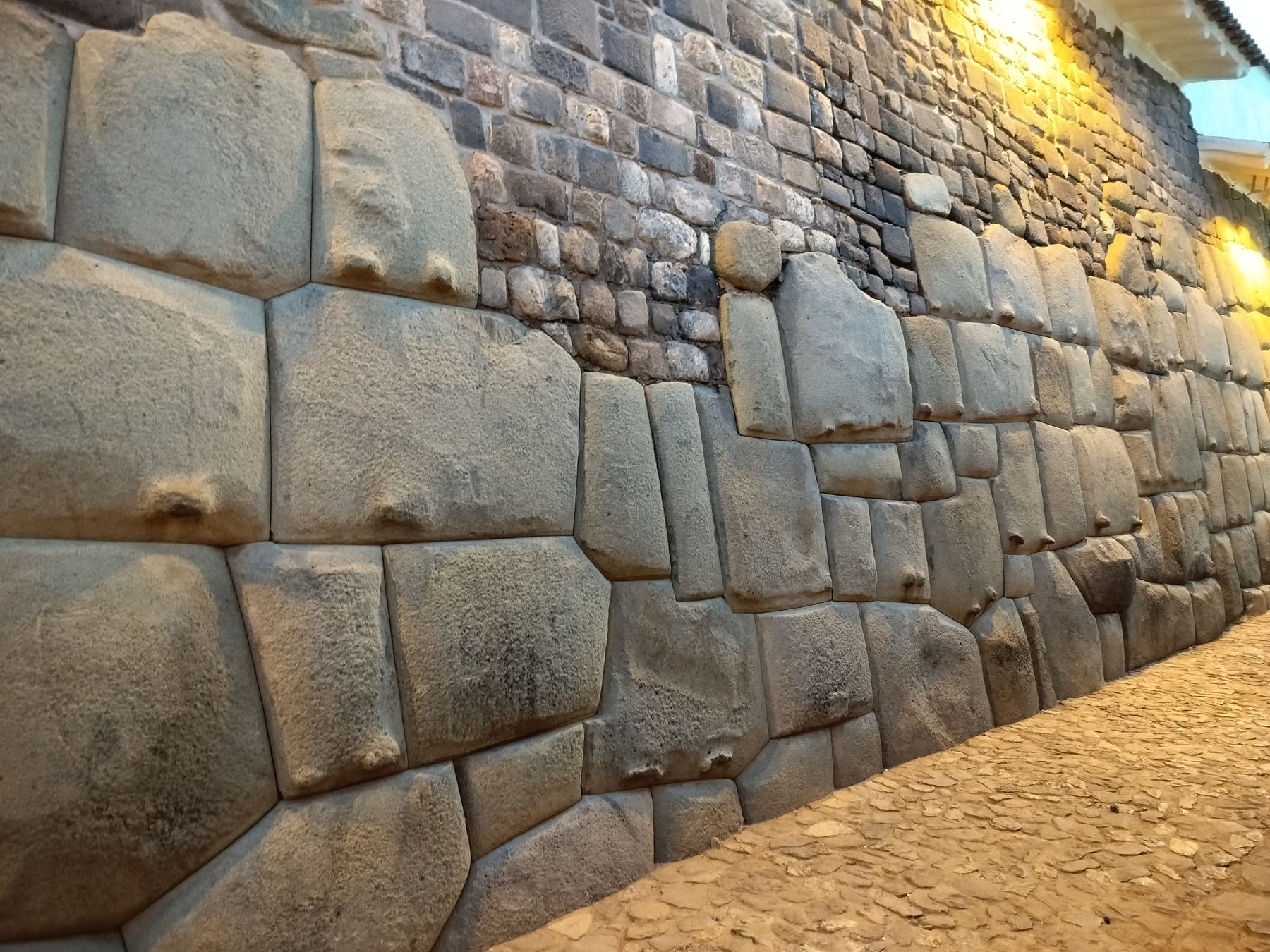
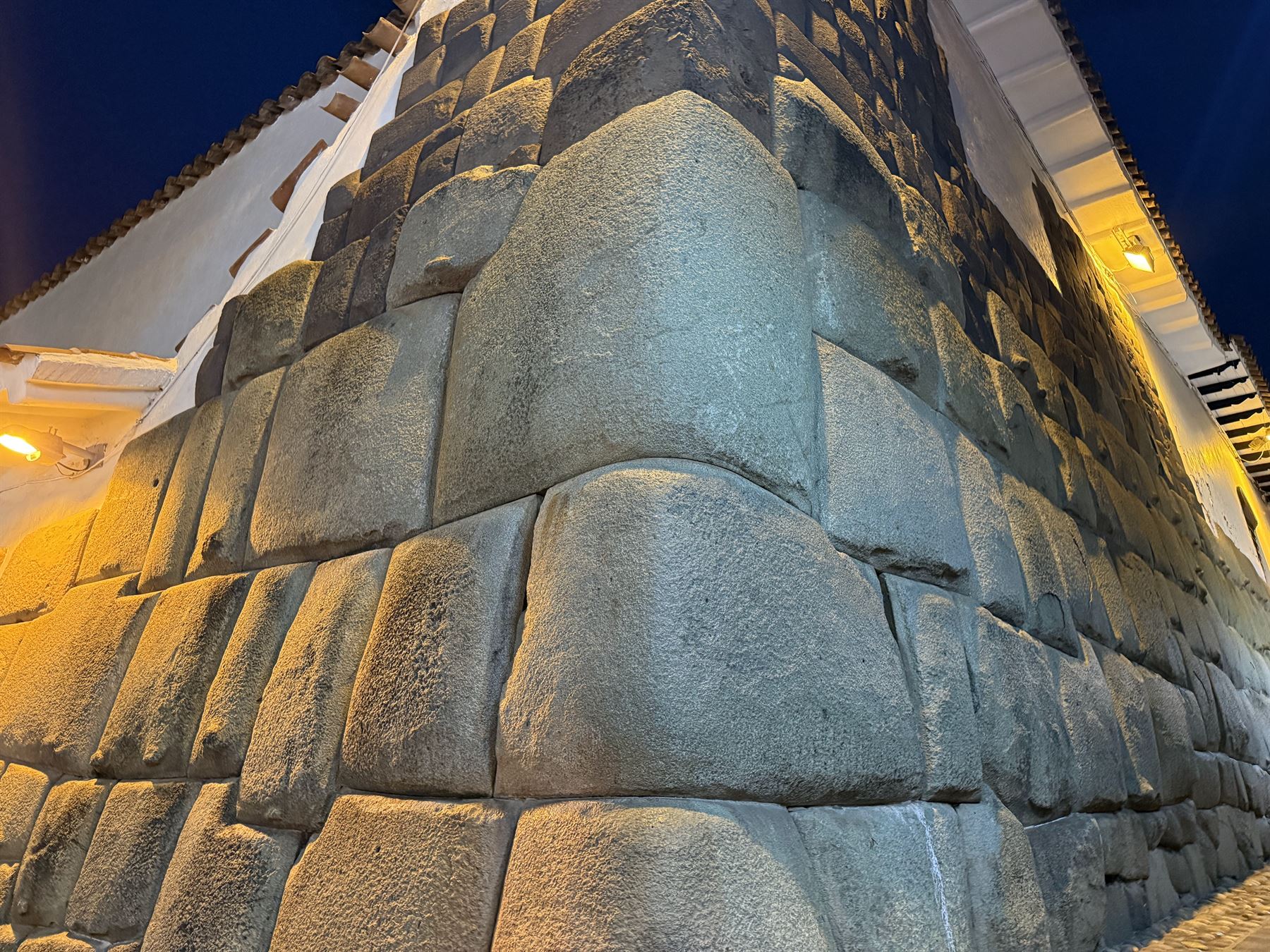
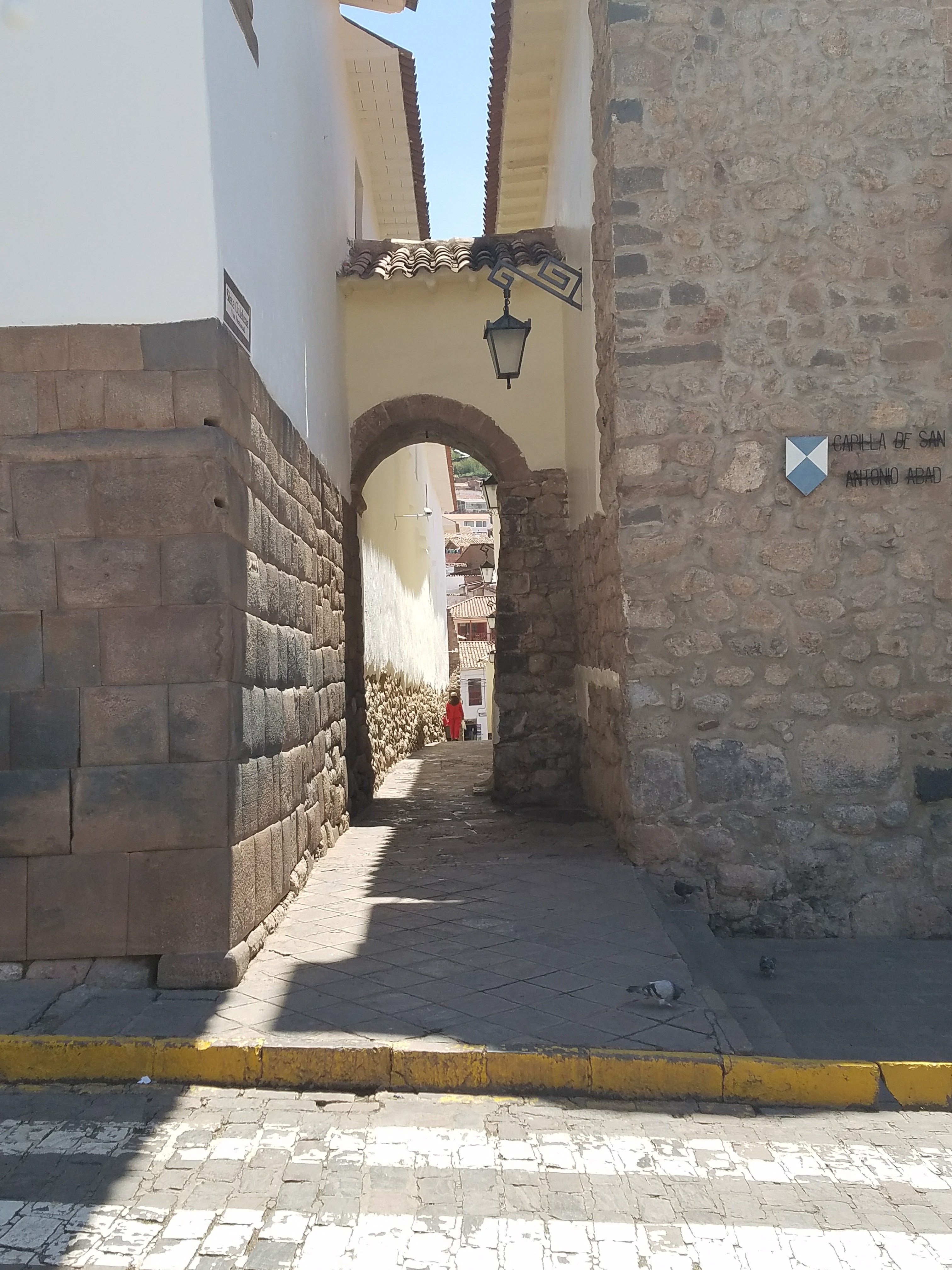
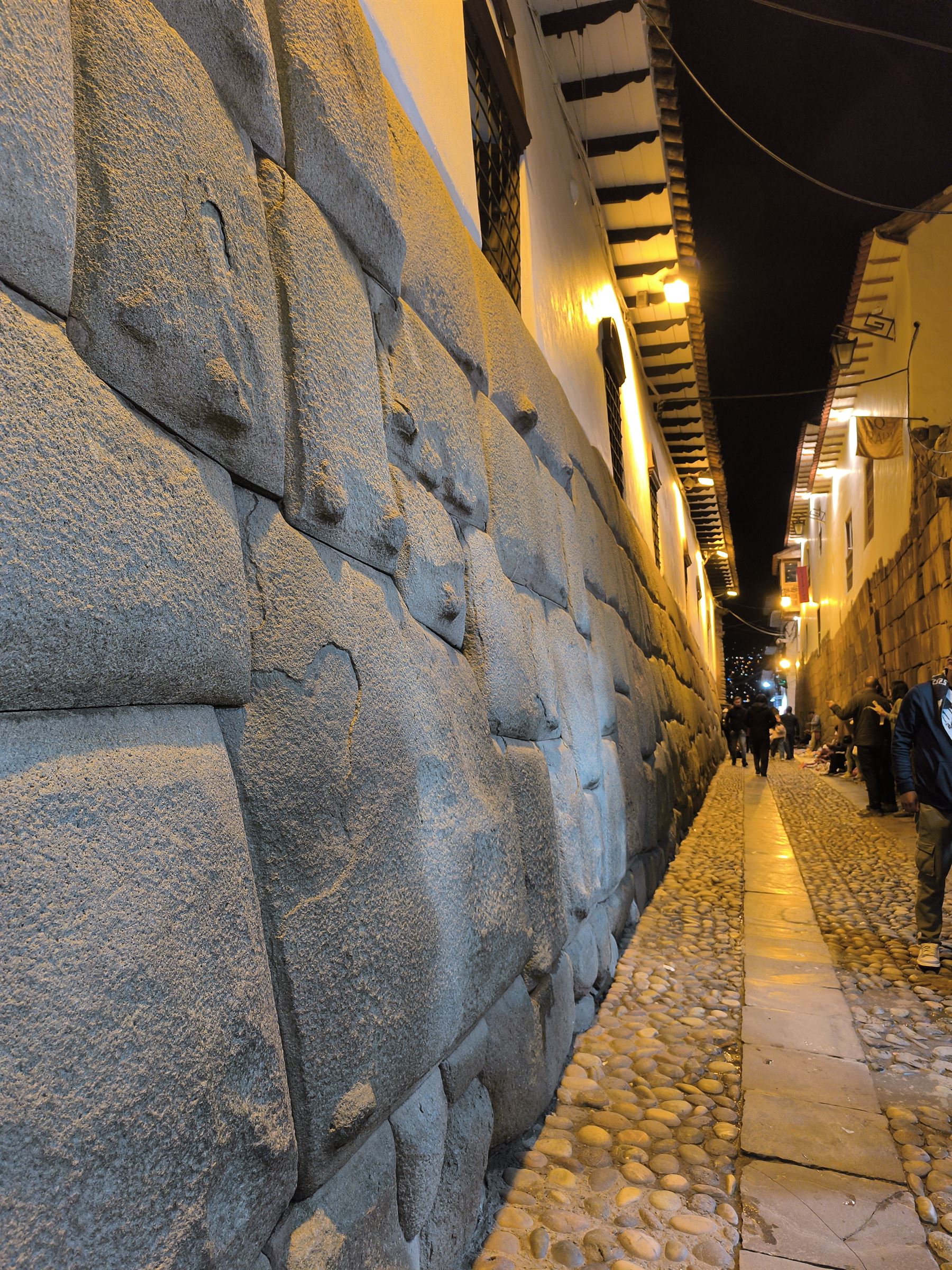
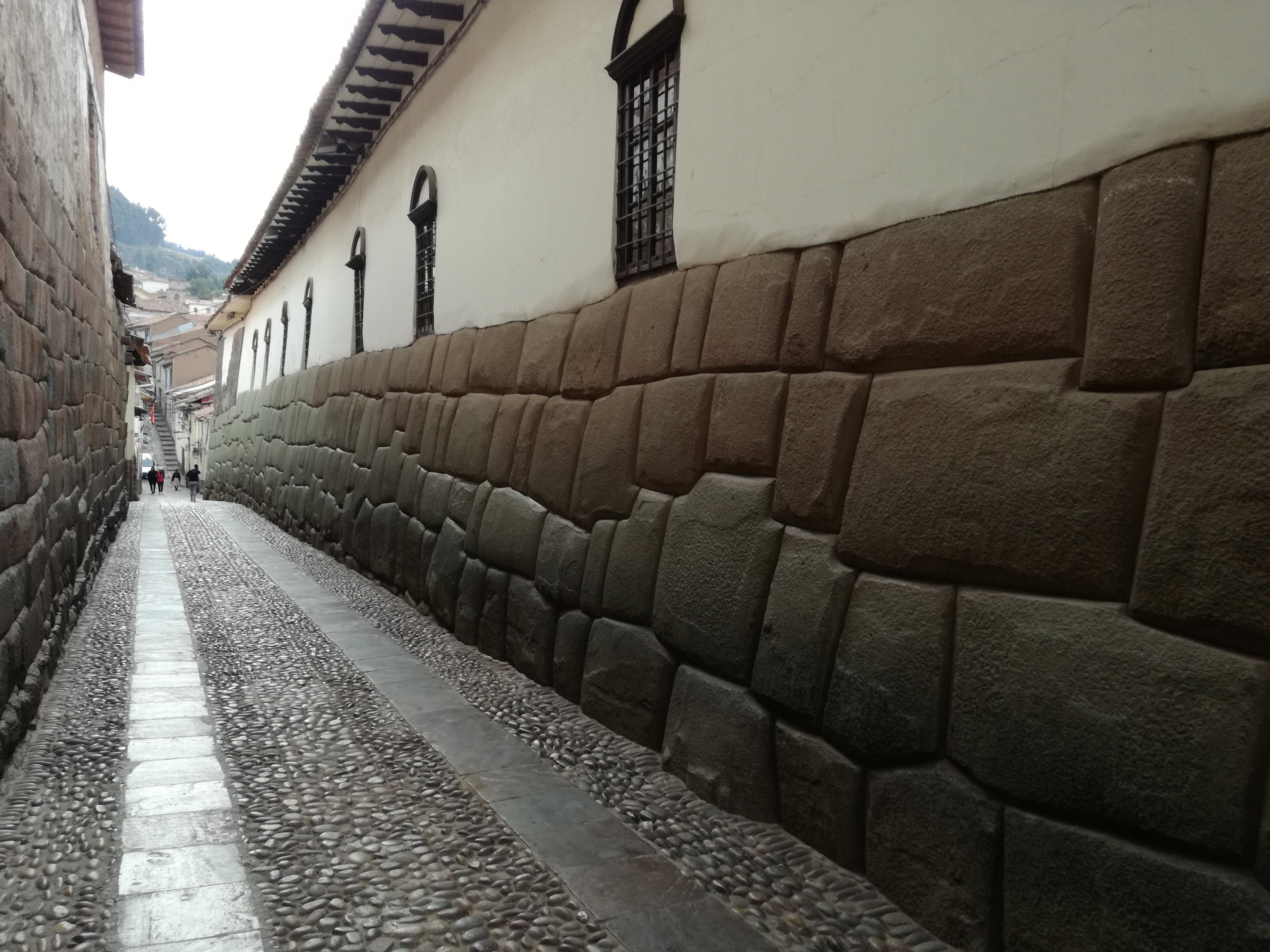
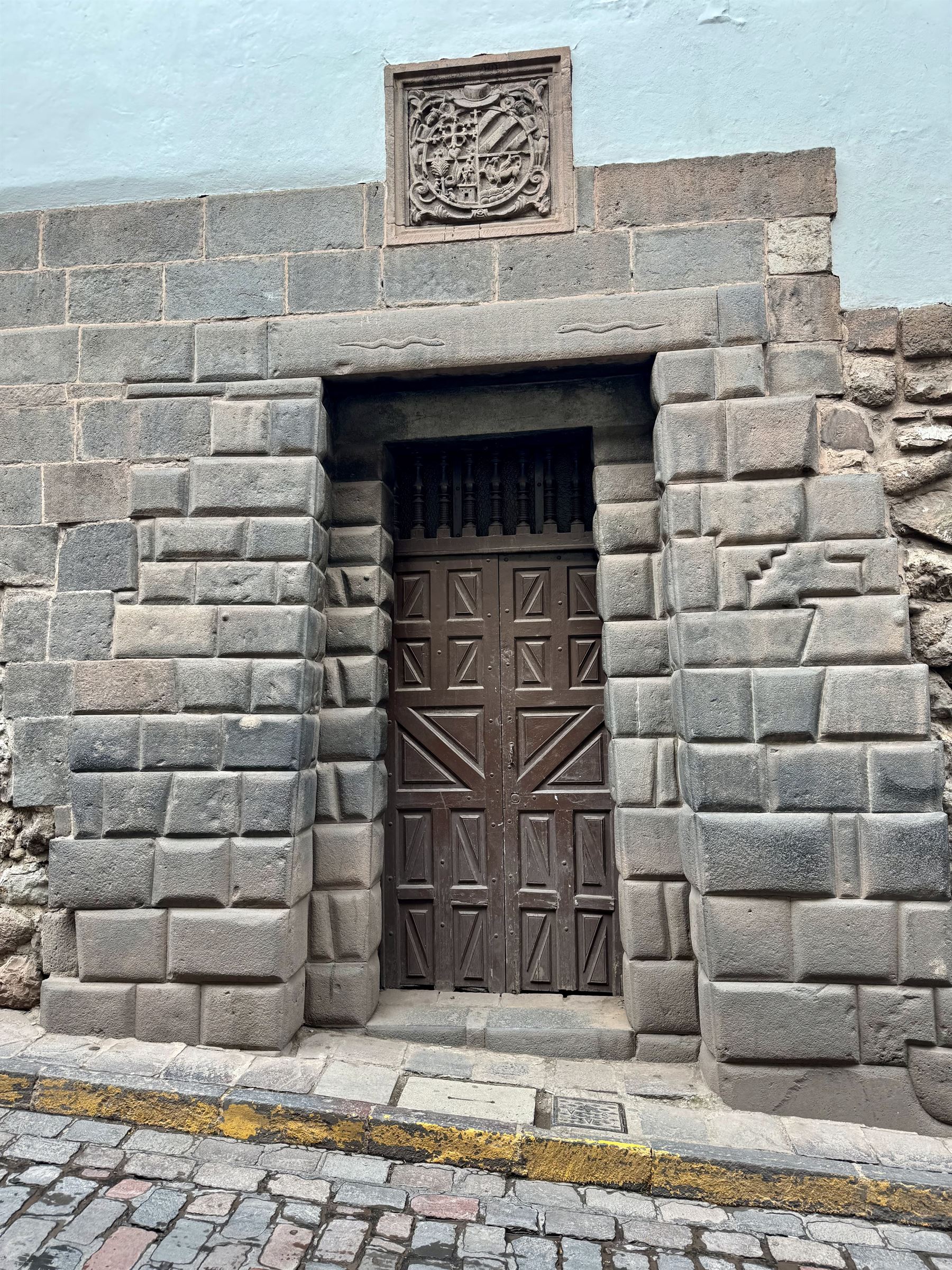
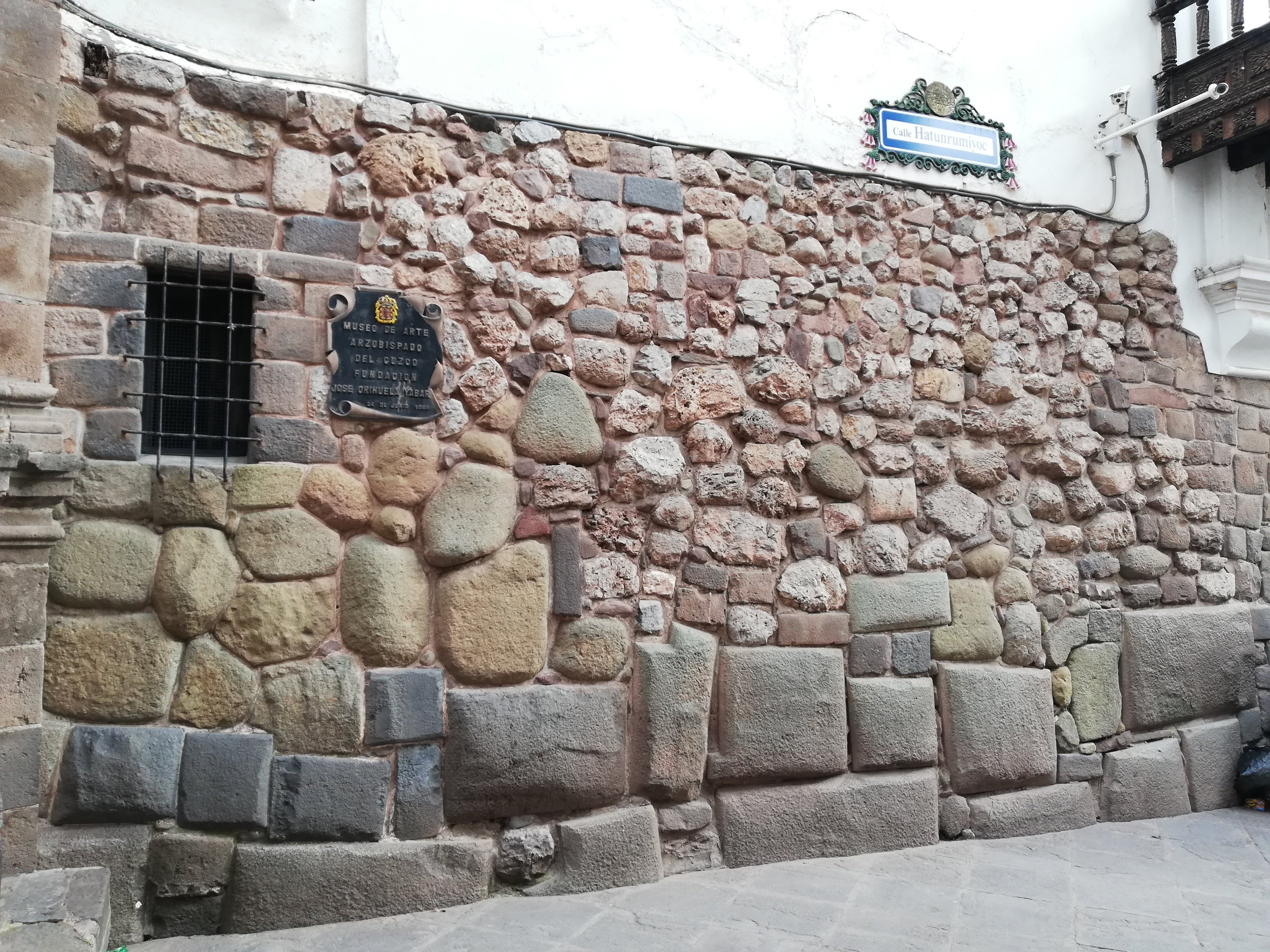
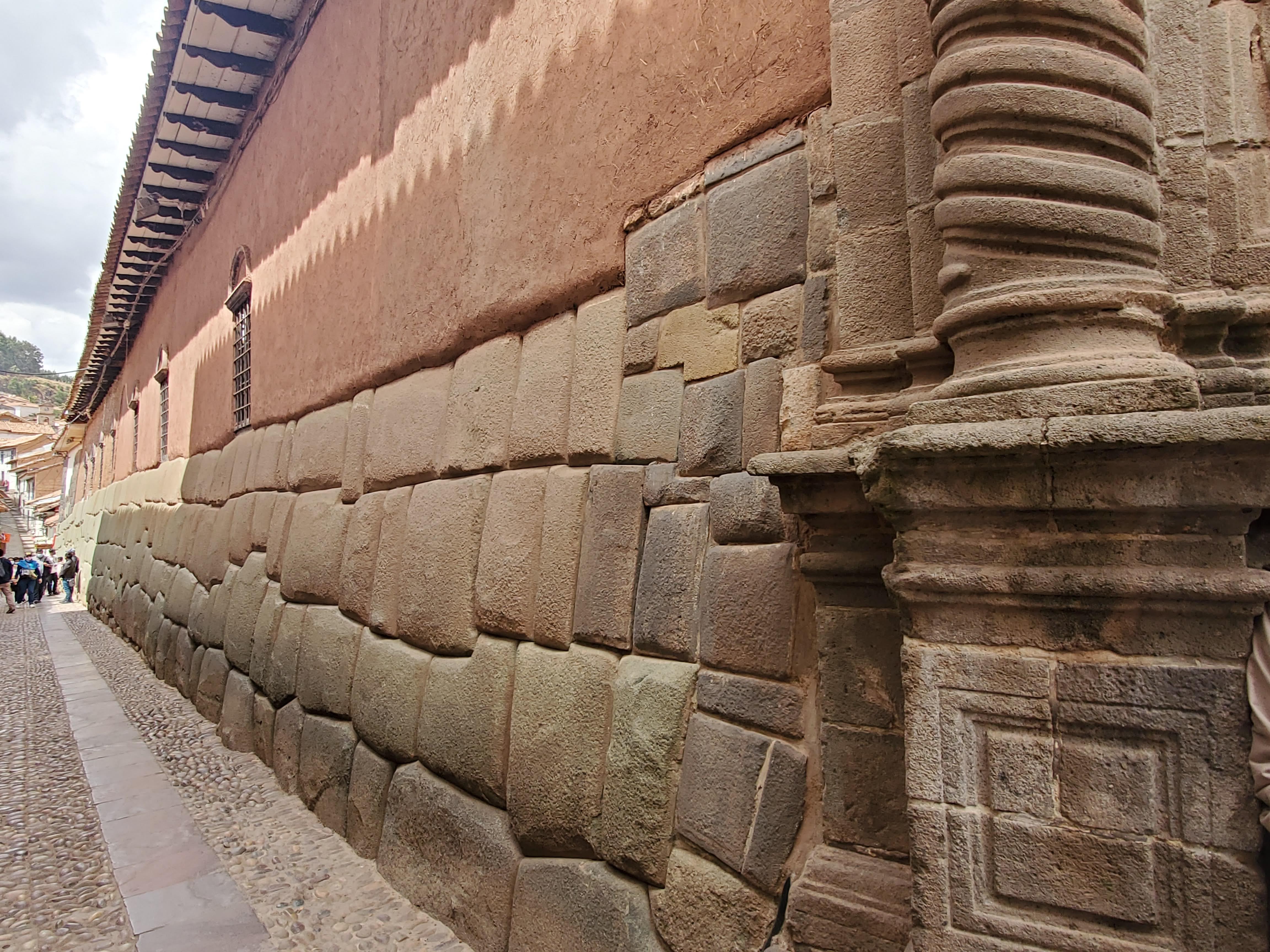
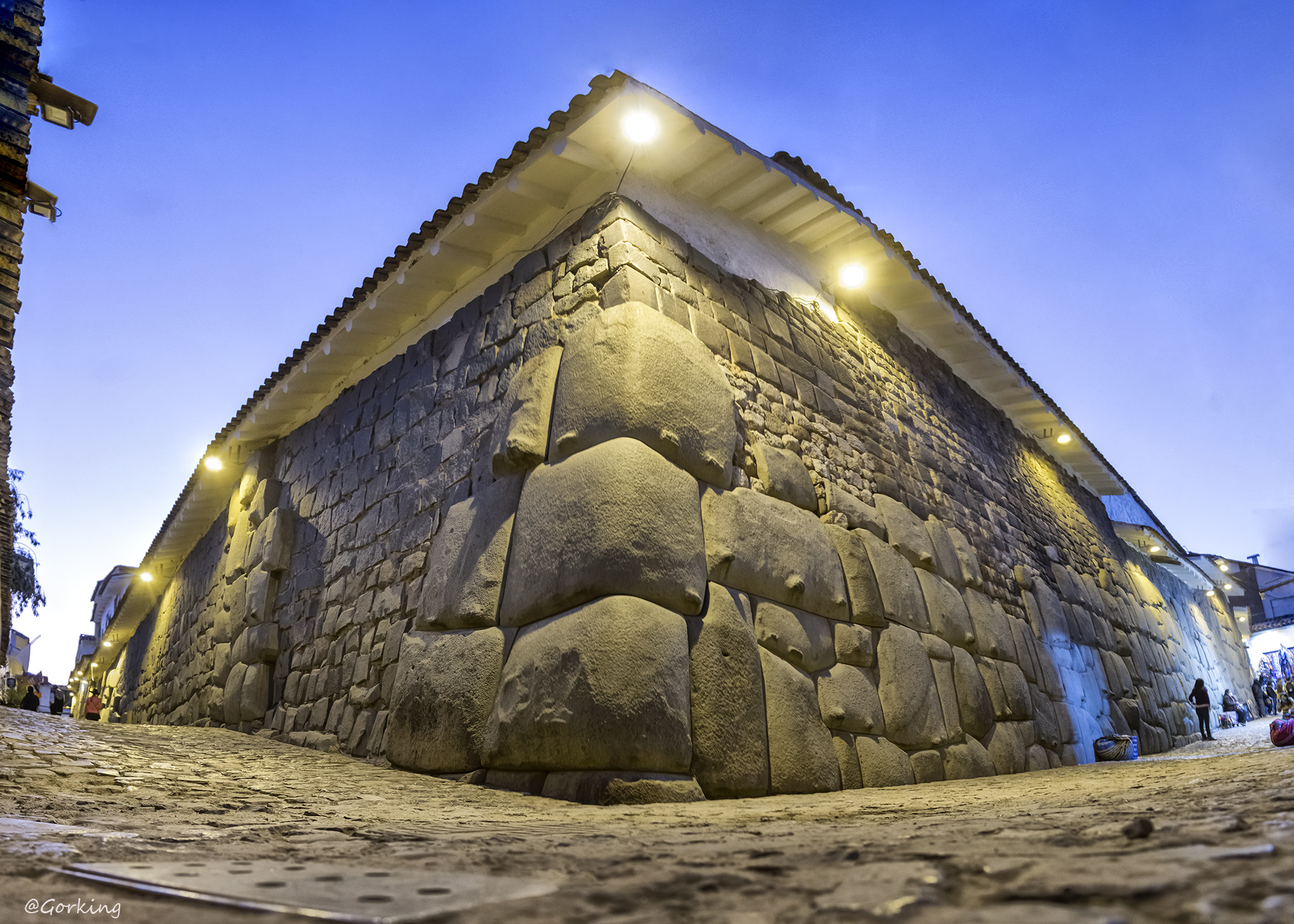
The Stone of the 12 Angles (Piedra de los 12 ángulos) is located on Hatunrumiyoc Street in Cusco, Peru. It is the pinnacle of the Inca Empire's outstanding stonework technology. This famous andesite boulder is world-renowned for its precise twelve-sided cut, demonstrating the unparalleled architectural skills of Inca craftsmen. This stone is the historically famous Stone of the 12 Angles, celebrated for its complex twelve-sided shape. It is located on the outer wall of the former Archbishop's Palace (Antiguo Palacio Arzobispal)—this wall is actually the foundation of the Palace of Inca Roca (the 6th Sapan Inca's residence), over which the Spanish colonizers built their colonial structure. The stone fits perfectly into the wall, showing how the Incas joined irregular-shaped boulders together without mortar or cement.

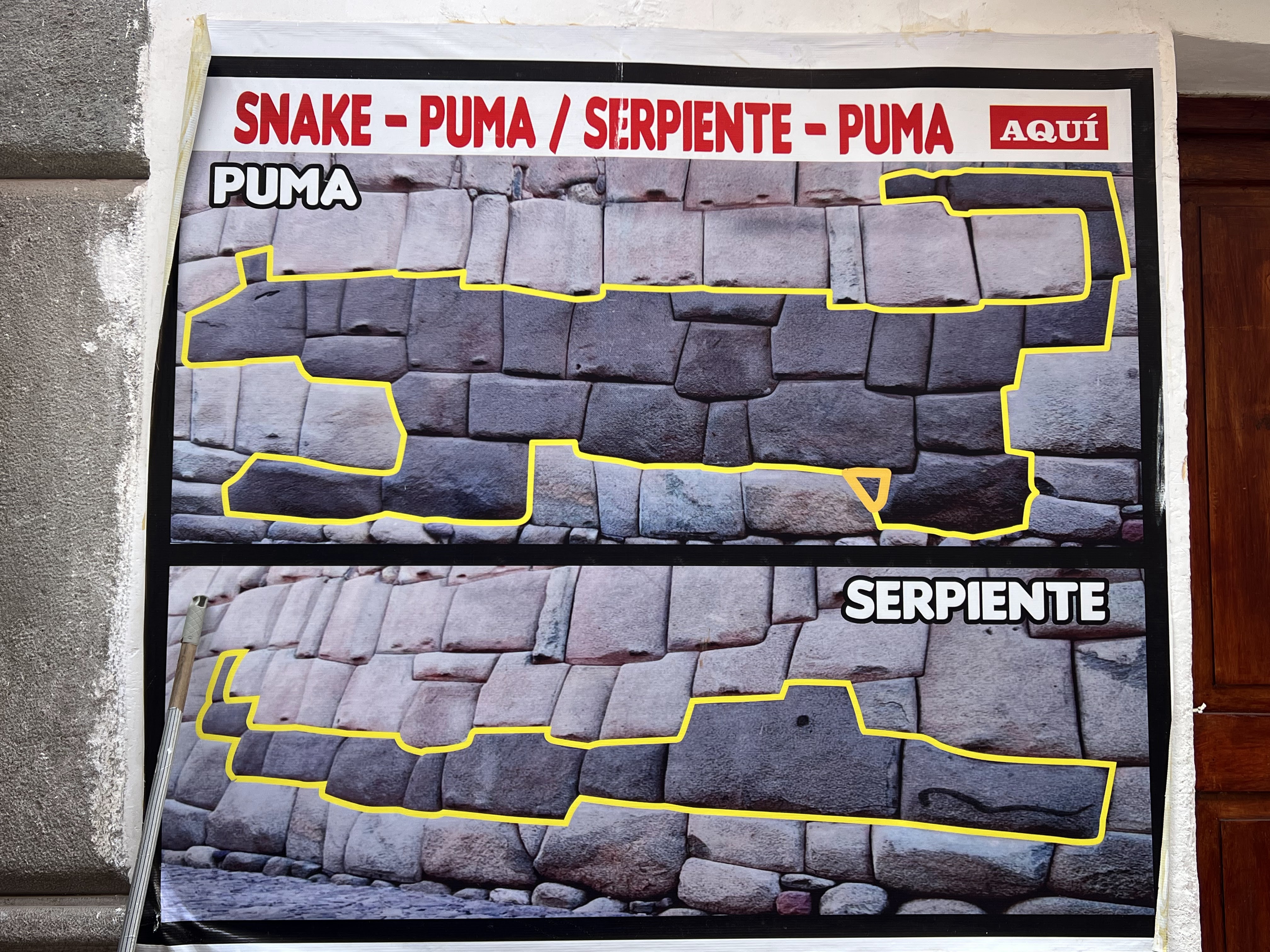
The Stone of the 12 Angles is one of the most popular tourist attractions in Cusco, open 24 hours a day with free admission. Visitors can come at any time to see this architectural marvel. The wall is composed of countless polygonal stones, and this twelve-sided stone has become the most famous due to its unique geometric shape. It is also an excellent place to learn about Inca architecture and Andean culture.

Best Time to Visit

Open 24 hours a day Early morning or evening recommended for better light

💡 Tip: Early morning has fewer tourists, better for photos

Architecture

Architecture | The Geometric Miracle of Inca Stonework

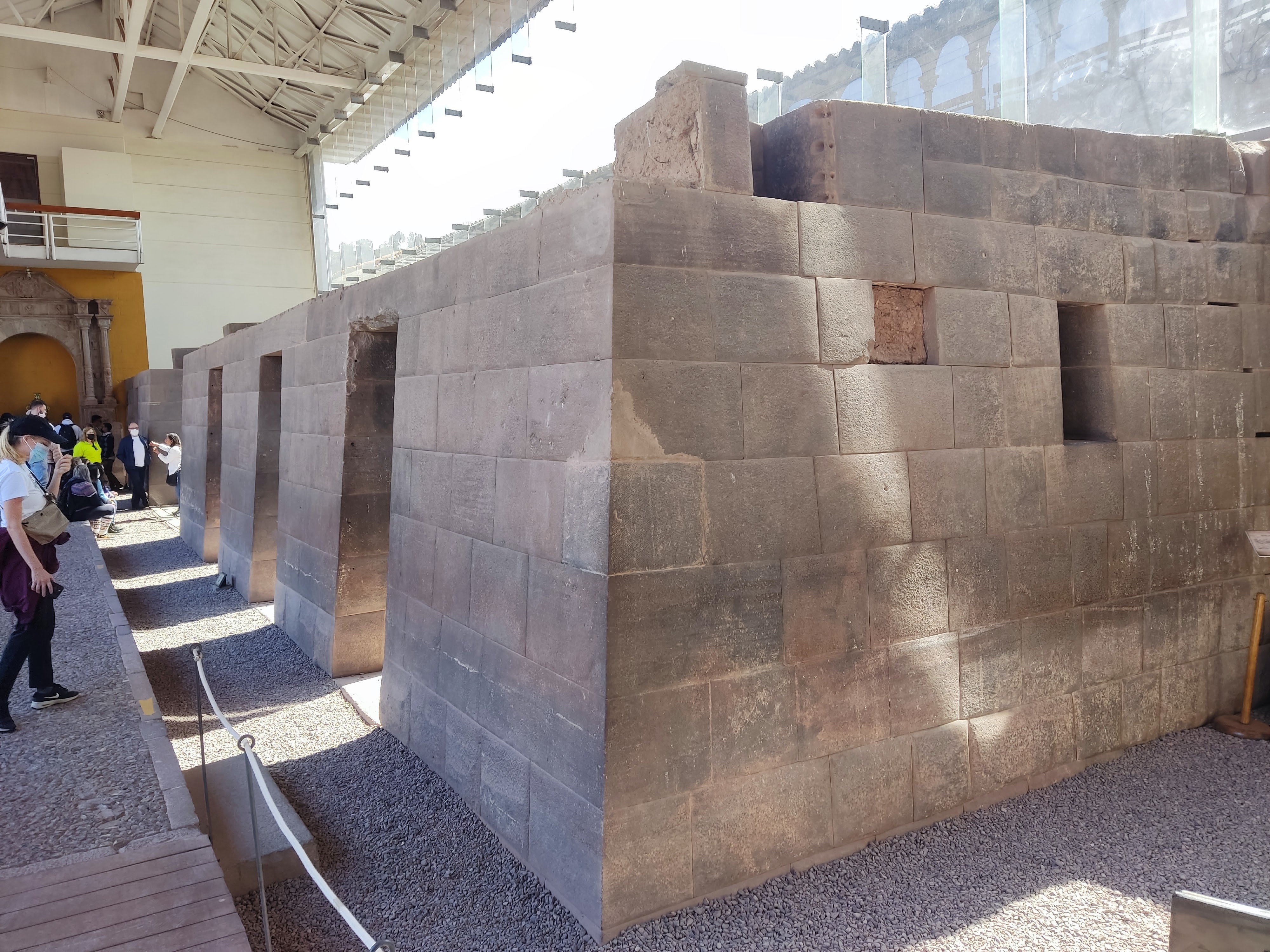
Why is the Stone of the 12 Angles a world-famous architectural marvel? It's not just because of its unique twelve-sided shape, but because it demonstrates the incredible stonework techniques of the Inca Empire. Mortar-free Construction: The uniqueness of Inca architecture lies in the fact that there is no mortar or cement between the stones. Craftsmen cut massive andesite boulders into complex polygons, making them fit perfectly together. This technique is called "Ashlar masonry". Seismic Design: Cusco is located in a seismically active zone, yet Inca stone walls have withstood centuries of earthquakes. This is because the irregular shapes and tight fit of the stones create a flexible structure that can move slightly during earthquakes without collapsing. The Mystery of Geometry: This stone has twelve sides and twelve angles, each angle precisely calculated. The Incas did not use wheels or iron tools, yet they were able to cut hard andesite into such complex shapes—a puzzle that remains in architecture to this day. 💡 Architectural Knowledge: In Inca architecture, the fitting precision of stones reaches the millimeter level. Even after more than six hundred years (14th century to present), you still cannot insert a blade between the stones! This technique is called "Polygonal Ashlar Masonry" and is a precious legacy left by the Inca Empire to the world. Note: "Sillar" refers to white volcanic tuff in Arequipa, not the andesite/diorite stonework of Cusco—please do not confuse the two.

Inca Culture

Culture | The Architectural Wisdom and Cosmology of the Inca Empire

The Stone of the 12 Angles is not just an architectural marvel; it is a witness to the glorious civilization of the Inca Empire (Tawantinsuyu). To understand its cultural value, one must understand the Inca's sacred reverence for stone (Rumi). In Quechua, stone is called "Rumi". In Andean indigenous animism, stone is not merely a building material—it is the bone of Mother Earth (Pachamama), a living spiritual entity. c. 14th Century: Inca Roca, the 6th Sapan Inca, ordered the construction of his private residence. This magnificent outer wall containing the Twelve-angle Stone was the sturdy foundation of this royal palace, symbolizing the supreme power of the ruler. 1533 (Spanish Conquest): Spanish conquerors occupied Cusco and dismantled Inca structures. However, the diorite foundation and walls of Inca Roca's palace were too hard and stable to be fully demolished. Colonial Period: Spanish architects adopted a "superimposition" strategy, directly building the baroque-style Palacio Arzobispal (Archbishop's Palace) with white walls, carved wooden balconies, and an inner courtyard atop the intact Inca stone wall. Modern Era: Today, the building houses the Museo de Arte Religioso del Cusco. Visitors can clearly see the lower layer of exquisite black-green Inca megaliths and the upper layer of Spanish colonial white walls, forming a visually striking "cultural superimposition" landscape. 💡 Cultural Knowledge: Two profound cultural interpretations circulate among local scholars and Quechua communities regarding why this stone has exactly "twelve sides": The Twelve Royal Panacas: Some historians believe the 12 angles represent the 12 royal bloodline families (Panacas) of the Inca Empire. Each angle symbolizes a noble family branch, tightly interlocked to collectively support the empire's foundation. The Andean Calendar and Time Order: Another view connects it to the Inca's highly developed astronomy. The 12 angles correspond to the 12 solar months in the Inca calendar, symbolizing the cyclical order of seasons and the universe's orderly operation.

Saqsaywaman

Macro Extension of Megalithic Craft: Saqsaywaman Citadel

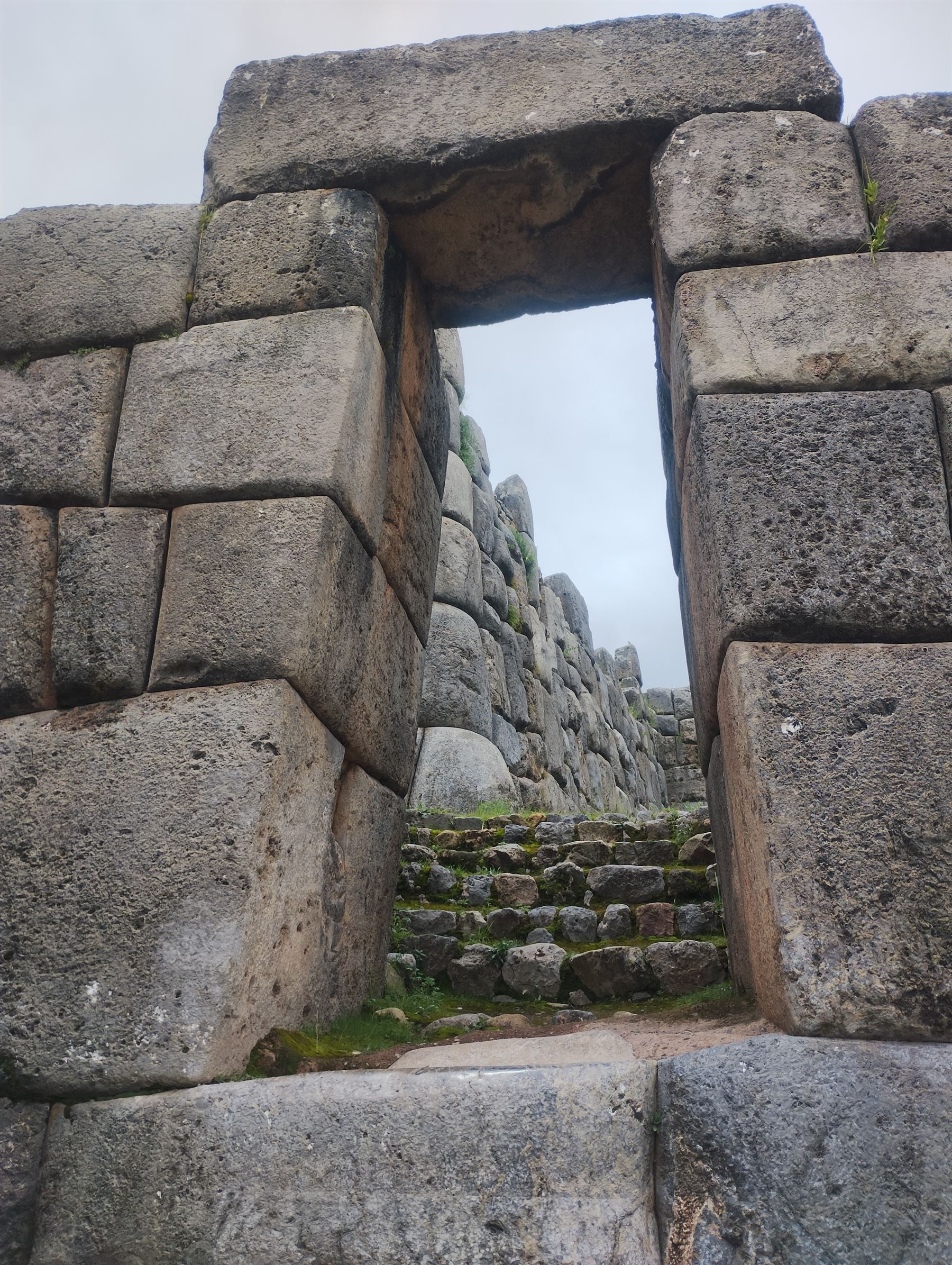
If you are amazed by this exquisitely detailed Twelve-angle Stone on Hatunrumiyoc Street, your Andean civilization exploration journey has just begun. Walk through the old town alleys and hike up the steep stone steps of the back mountain, and you will enter another extreme of Inca megalithic craft—the Saqsaywaman Royal Military Citadel. If the Twelve-angle Stone represents the Inca's ultimate pursuit of micro geometric precision, then Saqsaywaman displays the violent miracle of macro scale and military defense lines. In that commanding massive fortress, Inca stonemasons scaled up the seamless joining technique to an astonishing magnitude: the megaliths there weigh not just a few tons, but 100 to 128 tons! Those huge limestone blocks were cut with multiple angles, interlocking precisely like sawteeth, forming the Jaguar's Teeth that guarded Cusco. From the delicacy of the palace wall to the grandeur of the back mountain defense line, the two sites complement each other and together constitute the complete myth of Inca stone-making technology. 💡 Travel Tip: Saqsaywaman is about 2 km from the Twelve-angle Stone. It takes about 30 minutes walking, or you can take a taxi. It is recommended to purchase the Cusco Tourist Ticket (Boleto Turístico) to visit Saqsaywaman and other Inca sites together.

Visit Guide

Opening Hours
Open 24 hours Open every day
⚠️ Note: Although it's an outdoor attraction, daytime visits are recommended for better safety and lighting.
Entrance Fees
Free admission No ticket required
⚠️ Important Note: Although admission is free, hiring a local guide is recommended if you want to learn more about the history.
Recommended Duration
Recommended: 30 minutes - 1 hour
Can be combined with Cusco city tour, plan half a day to visit multiple attractions.
Recommended Items
  • Comfortable walking shoes (Cusco stone streets are slippery)
  • Altitude sickness medication or coca leaves (Cusco altitude is approx. 3400m, please prevent Soroche)
  • Sun protection & sunglasses (strong UV at altitude)
  • Camera and spare batteries
  • Hat and warm clothing
  • Water and snacks
  • Local map or guide APP

Exploration Routes

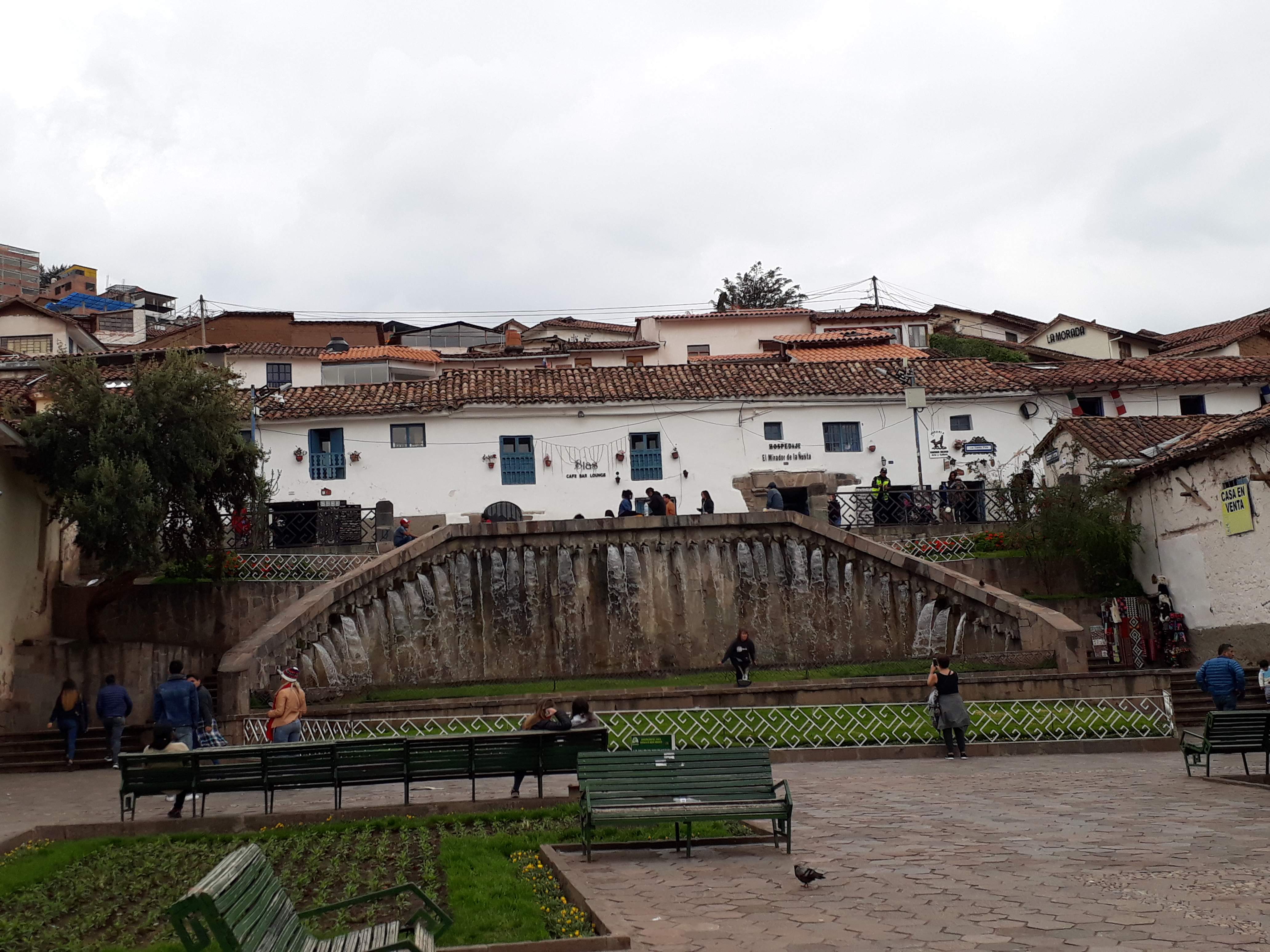
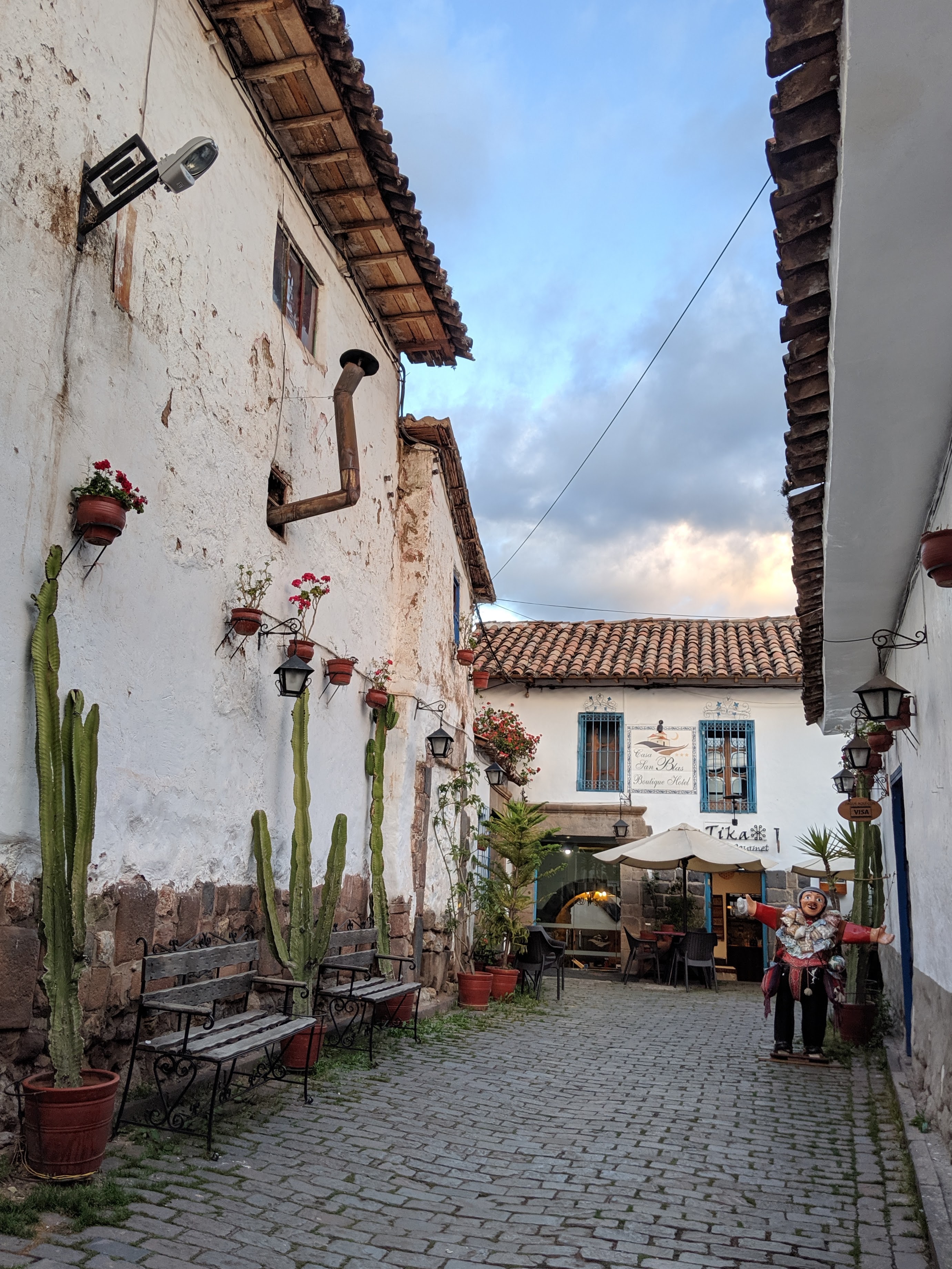
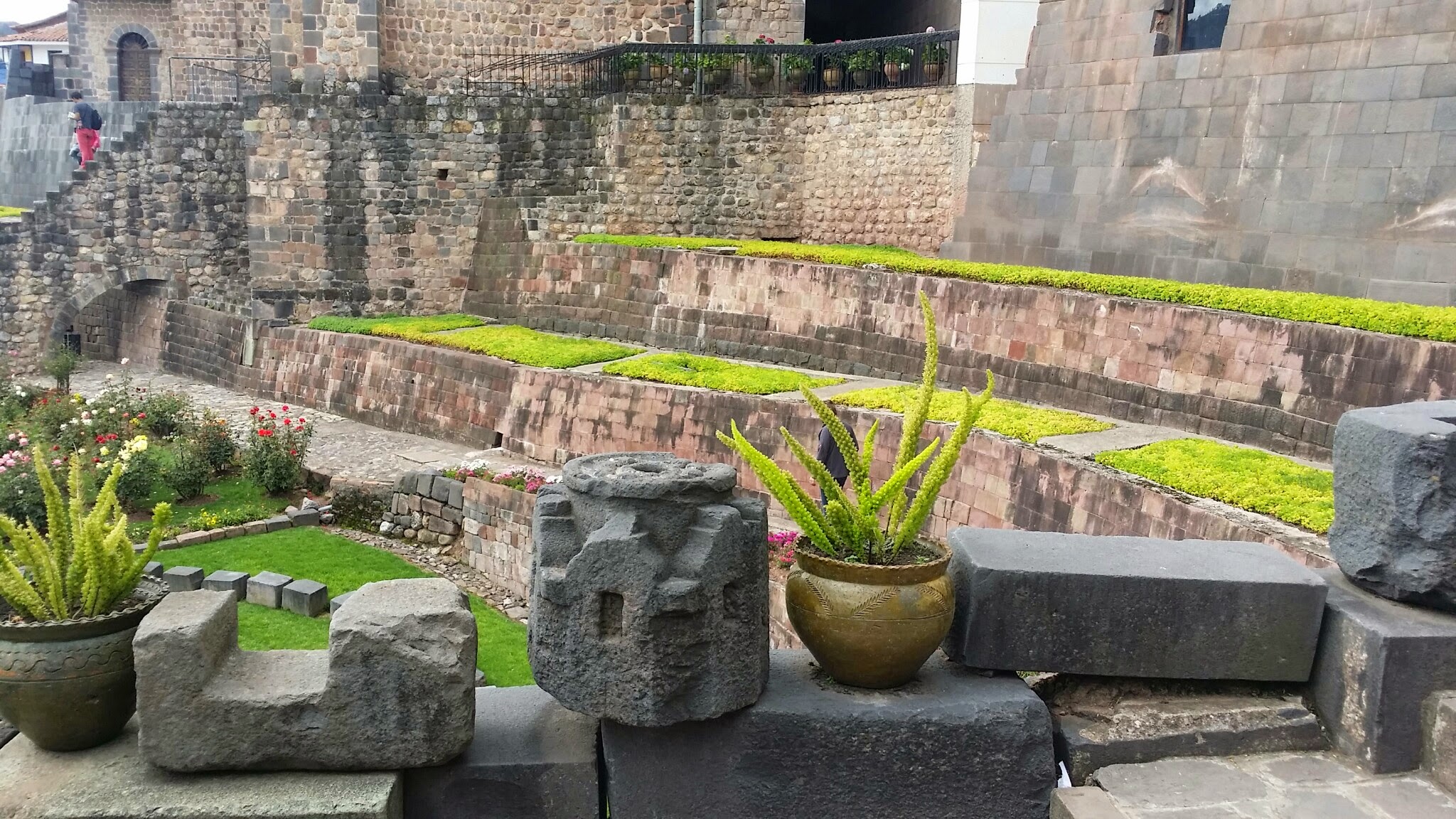
We especially recommend the following Cusco city exploration route: 1. Start from Plaza de Armas 2. Walk to Hatunrumiyoc Street to see the Stone of the 12 Angles 3. Continue to San Blas district to admire colonial architecture 4. Visit Qorikancha site (Sun Temple) 5. Return to Plaza de Armas to end the half-day tour

Getting There

✈️

From Lima or Other Cities

All visitors must first arrive in Cusco—the ancient capital of the Inca Empire. Cusco has an international airport connecting Lima and major South American cities.

Flight (Recommended)
About $80 - $200 USD⏱️ About 1 hour flight
Fly from Lima to Cusco (about 1 hour)
Get from Cusco airport to city center (about 20 minutes)
Walk or take a taxi to Hatunrumiyoc Street
Long-distance Bus
About $30 - $60 USD⏱️ About 20-24 hours
Take a long-distance bus from Lima to Cusco
After arriving in Cusco, walk or take a taxi to the attraction
🚗

Getting Around Cusco

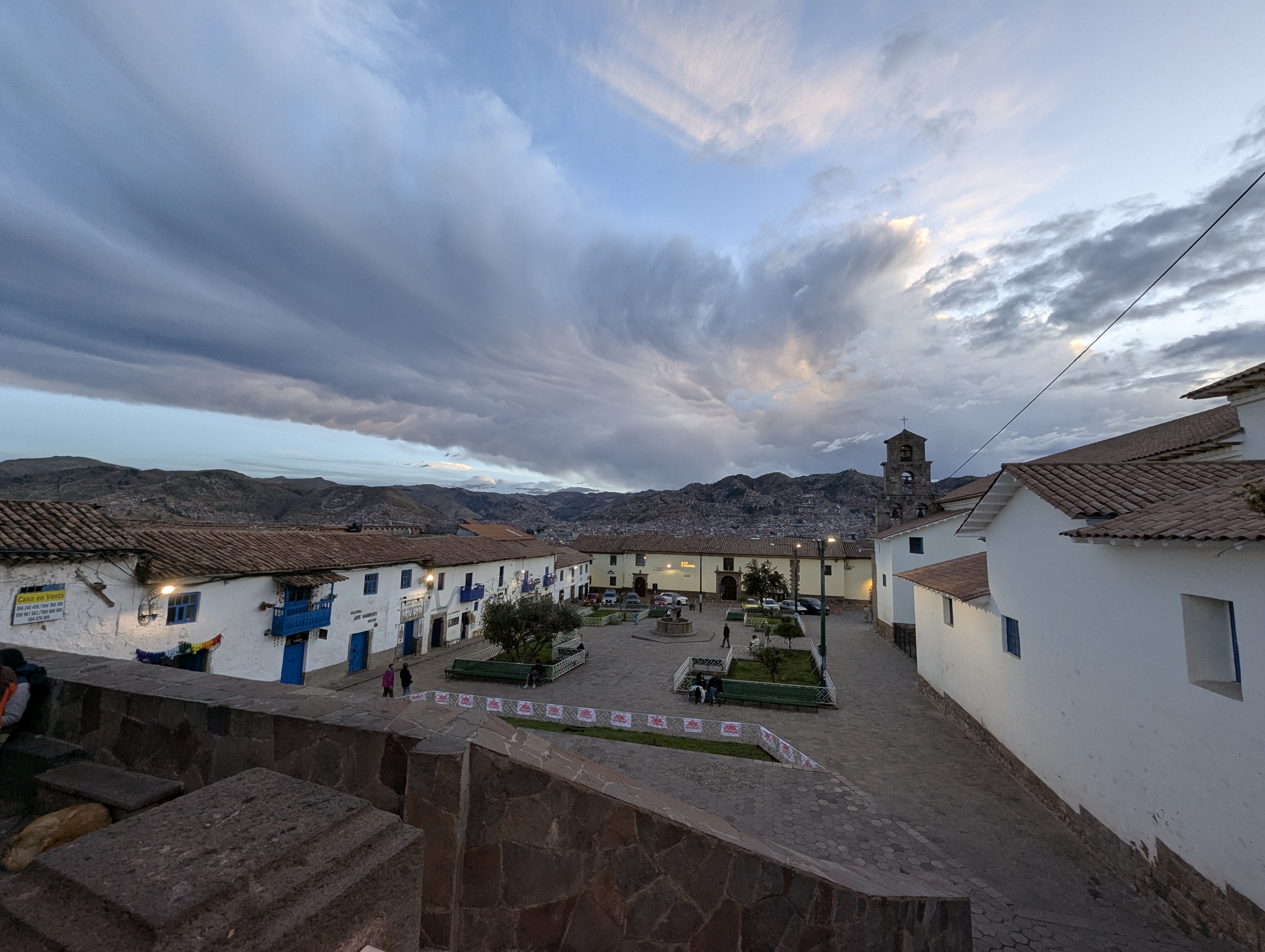
The Stone of the 12 Angles is located in downtown Cusco, with convenient transportation. It's about a 10-minute walk from Plaza de Armas.

Walk from accommodation (most convenient)
Take a taxi or ride-hailing service
Navigation: Enter Piedra de los 12 ángulos in Google Maps
Walk along Hatunrumiyoc Street to find it
🚌

Driving

Driving in downtown Cusco is not recommended due to narrow streets and stone roads. Walking or taking a taxi is recommended.

Park near Plaza de Armas
Walk to Hatunrumiyoc Street
Note: Cusco old town has traffic restrictions, non-local vehicles are prohibited

Travel Tips

  • 01Best light: 07:00-08:30 sunrise side light; after 19:30 ground lights turn on — ideal for photos
  • 02Visit in early morning or evening for better lighting for photos
  • 03Cusco altitude is 3400m, be aware of altitude sickness
  • 04Take sun protection measures, UV is very strong at high altitude
  • 05Stone streets are slippery, wear non-slip shoes
  • 06⚠️ Protection rule: Do NOT touch the stone wall. Infrared alarms are installed; violators may be fined.
  • 07Respect local culture, do not climb the wall
  • 08Hire a local guide to learn more about historical stories
  • 09Visit Qorikancha site to learn about Inca history
  • 10Keep personal belongings safe, city center has many tourists
  • 11Respect local culture and traditions
  • 12Keep the attraction clean, do not litter

Reviews

Voices from Cusco: Real Reviews from Google Maps

MG
María G.
2024-11-20
★★★★★

Increíble ver la Piedra de los 12 ángulos en persona. La precisión del corte de la piedra es asombrosa. Un must-see en Cusco.

Google
JS
John S.
2024-10-15
★★★★★

The Stone of the 12 Angles is a masterpiece of Inca stonework. You can't even fit a blade between the stones. Amazing architectural achievement!

Google
CR
Carlos R.
2024-09-10
★★★★★

Una obra maestra de la arquitectura inca. La piedra de doce lados es impresionante. Gratis y abierto 24 horas.

Google
李小美
2024-08-25
★★★★★

十二边印加石真的很震撼!石头切割的精度令人惊叹,两千多年了仍然严丝合缝。库斯科必看的景点!

Google
AP
Ana P.
2024-07-18
★★★★★

Hermoso ejemplo de la arquitectura inca. La piedra de doce ángulos es única en el mundo. Muy recomendado visitar.

Google
MT
Michael T.
2024-06-05
★★★★★

Fantastic example of Inca masonry. The twelve-sided stone is world-famous for good reason. Free to visit and open 24/7!

Google
View More Reviews on Google Maps

Frequently Asked Questions

Learn More About the Stone of the 12 Angles

Map Location

C. Hatunrumiyoc 480, Cusco 08002 Peru

View Location on Google Maps